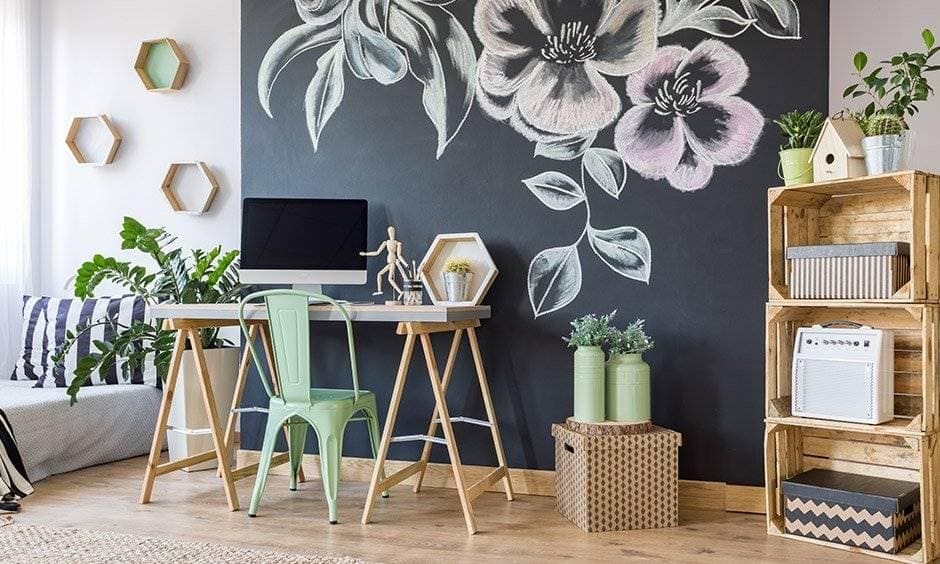
I still remember the first time I looked at the blank wall in my living room and thought, “This is just… empty.” It wasn’t unattractive, but it lacked personality. I wanted something that would make the room feel alive, warm, and unique—but I didn’t want to spend a fortune on expensive artwork.
That’s when I discovered easy DIY wall art. With a few simple materials, creativity, and a little patience, I transformed my blank walls into a gallery that reflected my personality—and it cost almost nothing.
If you’ve ever stared at an empty wall wishing it had more life, this guide is for you. I’ll share practical, budget-friendly, and beginner-friendly wall art ideas that you can create at home today.
Why DIY Wall Art Is Worth Trying
Creating your own wall art has benefits beyond decoration:
1. Personal Expression
DIY art reflects your personality, experiences, and taste. Unlike generic store-bought pieces, it’s unique.
2. Budget-Friendly
Store artwork can be expensive. DIY projects allow you to decorate your space without breaking the bank.
3. Stress Relief & Creativity
Working with your hands is therapeutic. Even simple painting or arranging paper cutouts can reduce stress and spark creativity.
4. Upcycling Opportunities
Many DIY wall art projects reuse materials you already have, like old magazines, cardboard, or fabric scraps—helping reduce waste.
Step-by-Step Guide to Easy Wall Art
Transforming a blank wall doesn’t need to be complicated. Here’s a simple process that worked for me.
Step 1: Choose a Wall and Theme
Start by deciding which wall you want to decorate and the overall vibe you want.
-
Do you want a cozy, warm look?
-
Modern and minimalistic?
-
Fun and colorful?
Picking a theme helps guide your materials and style.
Step 2: Gather Materials
Depending on your chosen project, you may need:
-
Paper, cardboard, or canvas
-
Acrylic paint, markers, or pens
-
Old magazines or newspapers
-
String, cloth, or twine
-
Scissors and glue
-
Frames (optional)
Tip: Look around your home—you might already have most materials you need!
Step 3: Pick a Wall Art Style
Here are some beginner-friendly DIY wall art ideas:
1. Collage Wall Art
Perfect for adding color and texture.
Materials: Old magazines, glue, scissors, cardboard base.
Steps:
-
Cut out shapes, patterns, or images from magazines.
-
Arrange them on cardboard in a pleasing design.
-
Glue pieces down carefully.
-
Frame or hang as-is.
Pro Tip: Use a color palette to make the collage cohesive.
2. Minimalist Painted Canvas
A simple canvas can instantly elevate a wall.
Materials: Canvas, acrylic paint, brushes.
Steps:
-
Choose a simple design—stripes, dots, abstract shapes.
-
Sketch lightly with pencil (optional).
-
Paint your design and let it dry completely.
-
Hang it directly or frame it for a polished look.
Pro Tip: Even simple geometric patterns can make a huge visual impact.
3. String and Clip Photo Display
Creates a personalized gallery without frames.
Materials: String or twine, clips, photos or postcards, nails or hooks.
Steps:
-
Attach string across the wall with small hooks or nails.
-
Clip photos, prints, or postcards to the string.
-
Adjust spacing and arrangement for balance.
Pro Tip: Add fairy lights for a cozy, illuminated effect.
4. Fabric Wall Hangings
Adds warmth and texture to a room.
Materials: Fabric scraps, dowel rod, string, scissors.
Steps:
-
Cut fabric into desired shapes or strips.
-
Attach pieces to a dowel rod using glue, knots, or stitching.
-
Hang on the wall with string or hooks.
Pro Tip: Use contrasting colors or patterns for a striking look.
5. Pressed Flowers or Leaves
Natural, delicate, and budget-friendly.
Materials: Flowers or leaves, paper, glue, frame.
Steps:
-
Press flowers or leaves in a heavy book for a few days.
-
Arrange them on paper in a design you like.
-
Glue carefully and frame.
Pro Tip: Use clear frames to let natural sunlight enhance the display.
Step 4: Arrange and Hang
-
Before attaching anything, lay out your pieces on the floor or table to visualize the arrangement.
-
Consider spacing, balance, and how the art relates to furniture or other room elements.
-
Start with nails, adhesive hooks, or washi tape for easy adjustments.
Step 5: Enjoy Your Personalized Wall
Once hung, step back and admire your work! Small DIY pieces can make a big impact without overwhelming the room.
Tips for Successful DIY Wall Art
-
Start Simple: Even a single canvas or photo display can transform a wall.
-
Consistency Matters: Use a color palette or repeated patterns for a cohesive look.
-
Layer Materials: Combining textures like paper, fabric, and natural elements adds depth.
-
Repurpose Materials: Look for items around the house—magazines, scrap wood, old fabrics.
-
Be Patient: Some paint or glue projects need time to dry before hanging.
Common Mistakes to Avoid
-
Overcrowding the wall—leave some negative space for balance.
-
Choosing too many colors—stick to 2–3 main colors.
-
Hanging art before it’s fully dry or secure—this can lead to falling pieces.
-
Ignoring scale—small pieces on a large wall may get lost visually.
Real-Life Example: My Living Room Wall
I had a plain wall that felt dull. Using materials I already had:
-
Old magazine clippings for a collage
-
A small painted canvas
-
A string photo display with family photos
I arranged everything thoughtfully, added a few fairy lights, and suddenly the wall became the focal point of the room. It cost almost nothing, yet it felt professional and warm.
FAQs About Easy Wall Art
1. Can beginners really make wall art that looks good?
Absolutely! Start simple with collages or painted shapes—practice makes improvement easy.
2. What is the cheapest way to create wall art?
Use items already in your home like magazines, cardboard, fabric scraps, and photos.
3. How do I make my DIY wall art look cohesive?
Use a limited color palette, repeat patterns, and consider spacing and alignment.
4. Can I make wall art without a frame?
Yes! Canvas, cardboard, or fabric pieces can be hung with hooks, tape, or string.
5. How long does a DIY wall art project take?
Most simple projects take 30 minutes to 2 hours, depending on complexity.
Conclusion: Bring Life to Your Walls
Empty walls don’t have to stay empty. With easy DIY wall art, you can create a space that’s personal, creative, and stylish—without spending a lot of money.
Start with one simple project, experiment with colors and textures, and gradually expand your gallery. Even small changes, like a painted canvas or photo display, can dramatically enhance your space.
Remember: the beauty of DIY wall art is that it reflects you. With creativity and a few inexpensive materials, your walls can become a canvas for your personality and style.